The Voice of Millions: How Ryan Cameron Became the Soundtrack of a City and the Gateway to the World
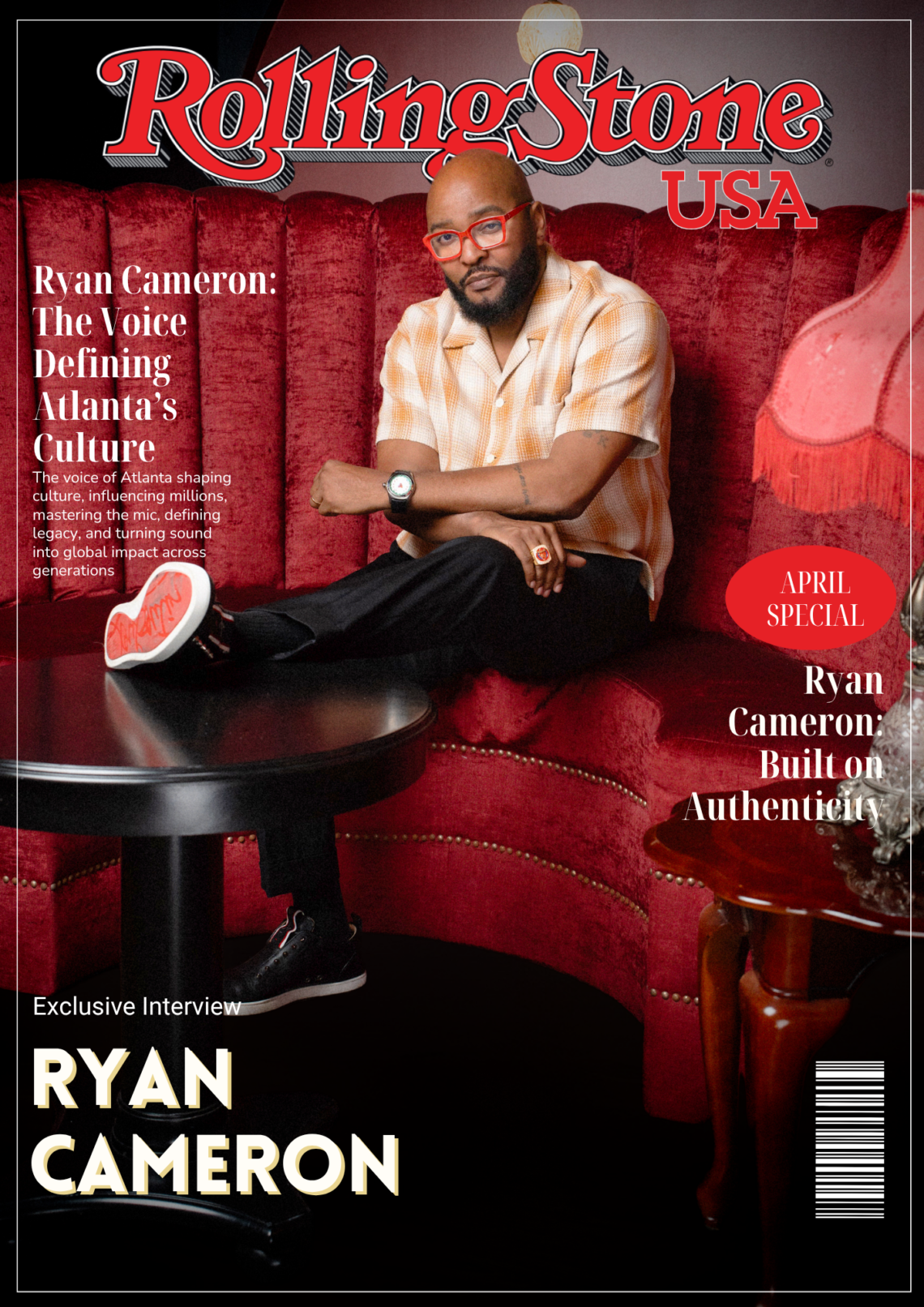
There are voices you hear, and then there are voices that shape how you experience a place. In Atlanta, that voice belongs to Ryan Cameron. For decades, he has narrated moments, broken records, introduced artists, and quite literally welcomed millions of travelers as the voice inside Hartsfield-Jackson Atlanta International Airport, the busiest airport in the world.
A two-time Emmy Award winner, Georgia Radio Hall of Fame inductee, and host of the #1 afternoon show on Majic 107.5/97.5, Cameron is more than a broadcaster. He is a cultural constant. From the airwaves to arenas, from radio to video games, his voice has become part of the rhythm of Atlanta itself.
This is not just a conversation about radio. This is about legacy, discipline, influence, and what it truly means to master the mic.
Every master has a moment before the world knew their name. What was the first time you realized your voice carried power, not just sound, but influence?
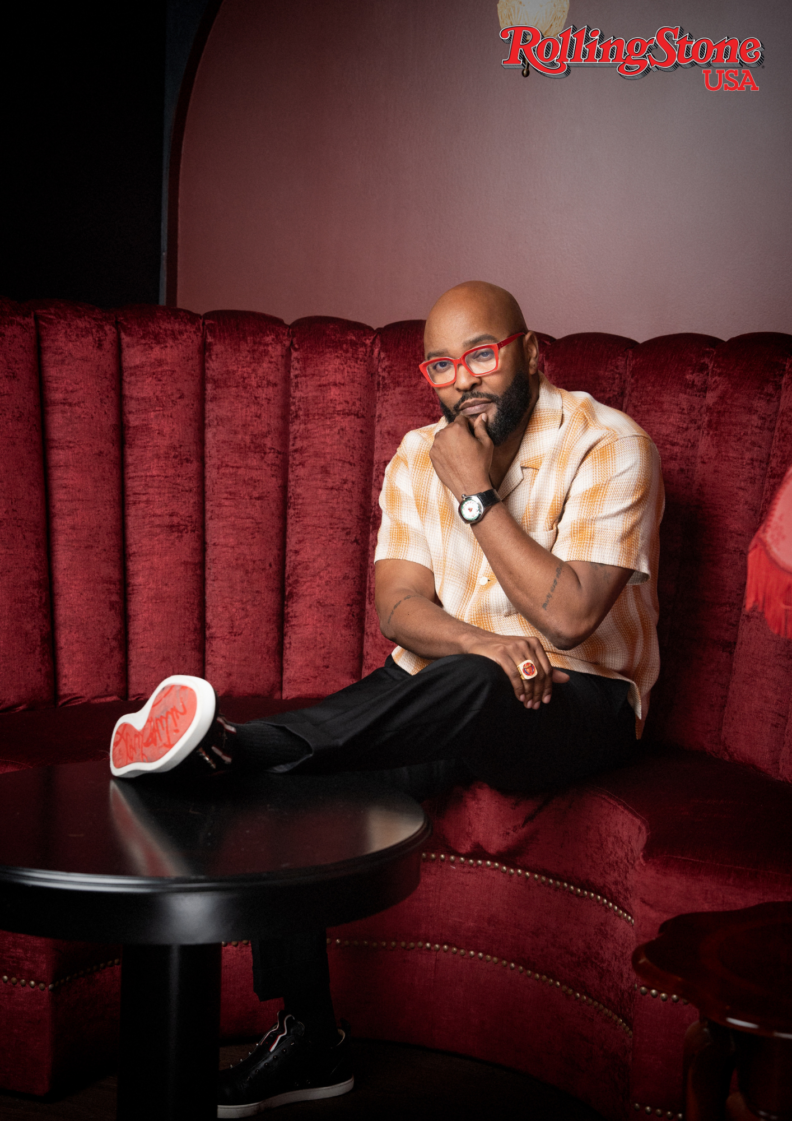
When the NBA 2K video game people reached out to me asking to include me in the game with my signature calls, I said, “Hmm… we might be on to something here.”
That was a moment for me. Because now it’s not just Atlanta hearing you. Now it’s global. Kids who may never step foot in Atlanta are hearing your voice and associating it with the game, with energy, with culture. That’s when it hit me that the voice had traveled beyond the city.
Atlanta has one of the most influential music and cultural ecosystems in the world. How did you earn the trust of a city that doesn’t give respect easily, and when did you realize you had become one of its defining voices?
Atlanta will test you before it celebrates you. This city is built on authenticity. You cannot fake your way into being respected here.
For me, it was about consistency. Day in and day out, showing up prepared, knowing the music, understanding the culture, and respecting the people who built it. I was never trying to be bigger than the city, I was trying to represent it the right way.
The moment I realized it had shifted was when artists, executives, and even everyday listeners started treating my platform like a stamp. Not just exposure, but validation. That’s when I knew the responsibility had changed.
People hear the energy, the humor, the authority. But what don’t they hear? What sacrifices, pressures, or personal battles came with being the voice people rely on every day?
What people don’t hear is the discipline. They don’t hear the preparation, the early mornings, the constant need to stay sharp.
When you’re the voice people depend on, there’s no off day. You could be going through something personally, but when that mic turns on, you still have to deliver. That’s a responsibility I don’t take lightly.
There’s also pressure in knowing that your words can influence how people feel, how they move, even how they think. That’s not something you play with. You have to grow into that mentally.
You’ve been part of the machine that introduces artists to the world. In your opinion, what separates an artist who gets played from one who actually changes culture, and how did you learn to recognize that difference early?
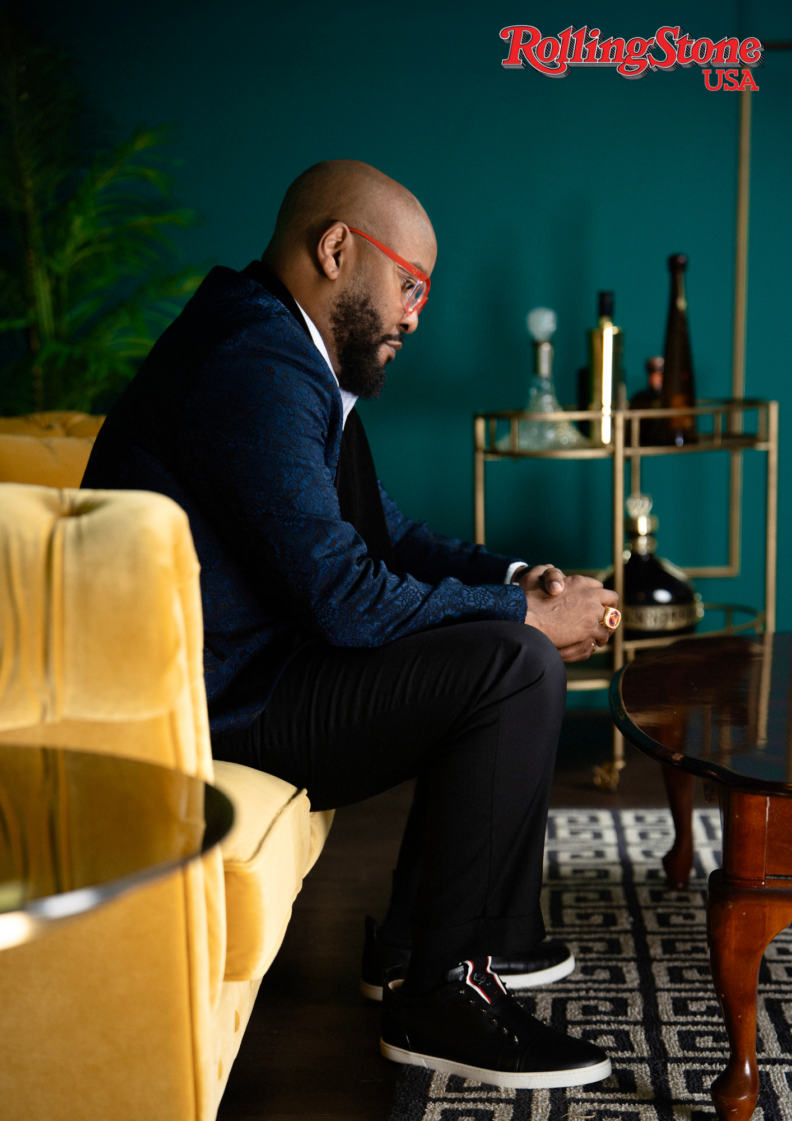
A hit record will get you played. But truth, authenticity, and timing, that’s what changes culture.
I’ve seen artists come through with big songs, but no identity. And I’ve seen artists come through with something real, something the people can feel, and that’s what lasts.
You learn to recognize it by listening beyond the beat. You listen to the story, the energy, the intention. Culture responds to what’s real, not what’s manufactured.
Media moves fast, attention spans are short, and voices come and go. Yet you’ve remained relevant across decades. What did you understand early about longevity that others missed?
Longevity is about evolution without losing your foundation.
I never tried to chase trends. I paid attention to them, but I stayed rooted in who I am. The audience can feel when you’re being real versus when you’re trying to keep up.
Also, respect the craft. This isn’t just talking. This is communication. This is timing. This is understanding your audience. If you respect it like a craft, it will respect you back.
From radio to live events to being the voice heard by millions traveling through Atlanta’s airport, your reach extends far beyond one platform. When you think about legacy, what do you want people to say about the impact of your voice when the mic is finally off?
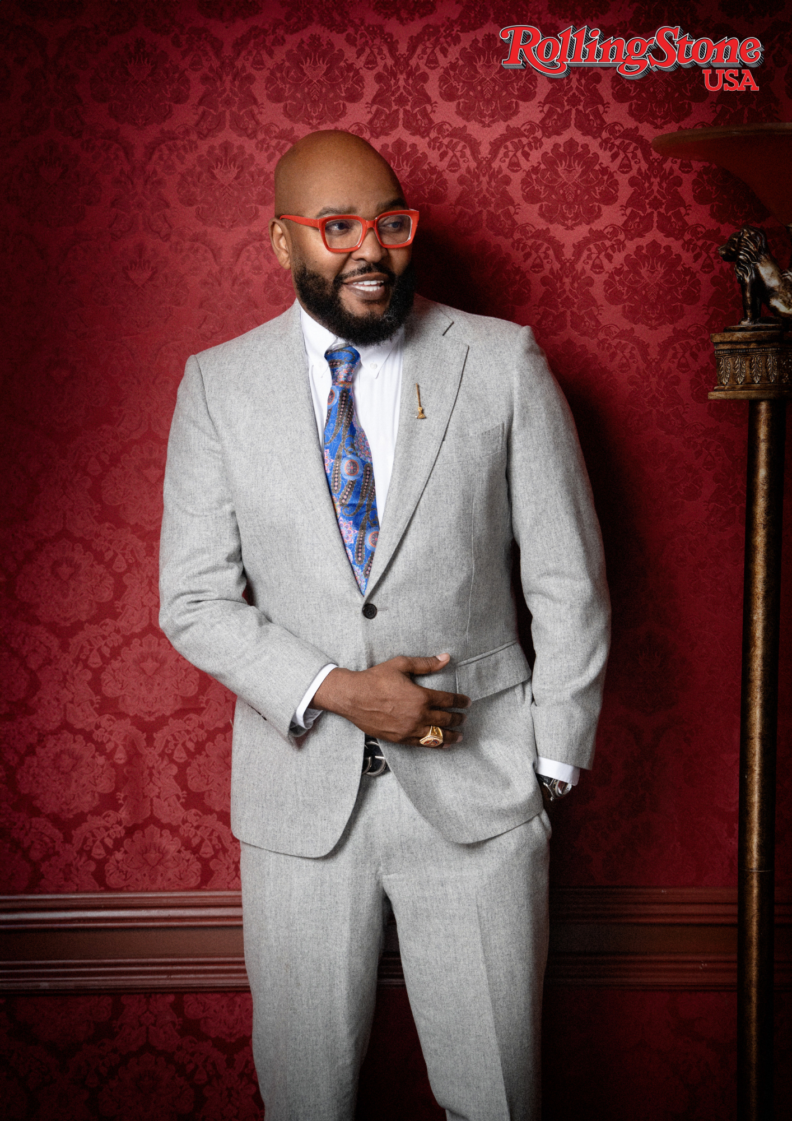
I want people to say that I represented the city the right way.
That I opened doors. That I gave opportunities. That I used my platform to elevate others, not just myself.
Being the voice of the airport, being on the radio, hosting major events, all of that is a blessing. But legacy is about impact. It’s about what you leave behind in people, not just what they heard from you.
“Master of the Mic” isn’t just a title, it’s a responsibility. What does that title mean to you personally, and what did you have to become, not just professionally, but as a man, to truly earn it?
“Master of the Mic” means control, discipline, and responsibility.
It means understanding that when you speak, people are listening, and that comes with accountability. You can’t just say anything. You have to be intentional.
As a man, it required growth. It required maturity. It required me to understand that this platform is bigger than me.
Anybody can get on a mic. Not everybody can master it.
Credits ➖
Photographer – L. Delvlin Photography