For over a decade, dating apps promised a revolution in human connection. With a simple swipe, users could access an endless stream of potential partners—each profile a curated snapshot of attraction, personality, and possibility. At first, it felt empowering. Choice was abundant, discovery was immediate, and the barriers to meeting new people seemed to dissolve overnight. But somewhere along the way, that promise began to fracture.
What was once exciting slowly became exhausting. Swiping turned into a reflex rather than a conscious act. Conversations rarely progressed beyond surface-level exchanges. Matches piled up without meaning, and the emotional return on time invested began to feel increasingly low. Instead of facilitating connection, many platforms unintentionally created a loop of anticipation and disappointment. The result is a quiet but growing disillusionment with the swipe-based dating model.
Into this cultural moment steps a different approach—one that challenges not just how people date, but how they think about connection itself.
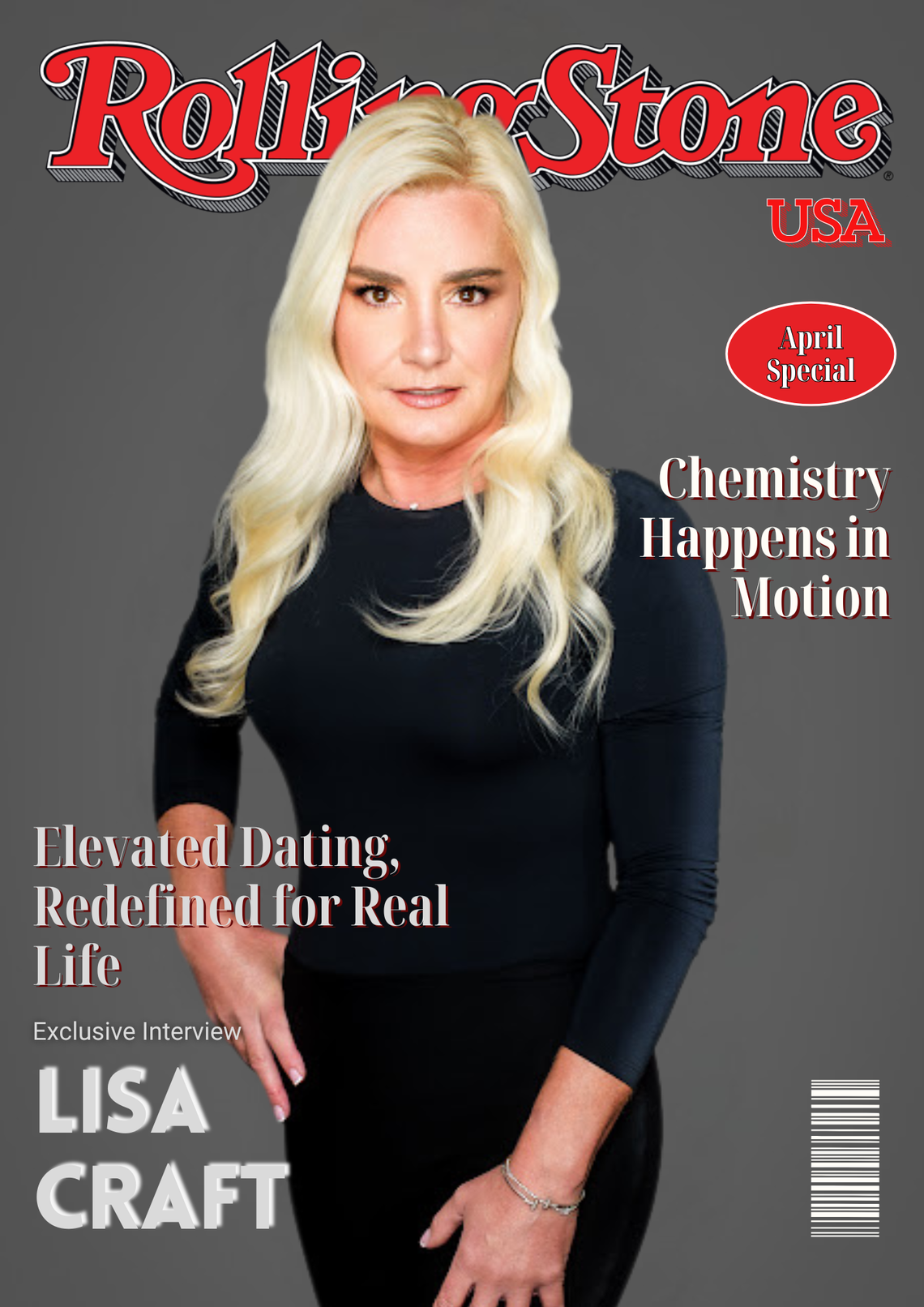
Lisa Craft, founder of Adventure Dating, is part of a new wave of innovators reimagining what modern romance can look like. Her platform moves away from profiles and toward experiences, asking a simple but transformative question: what if people met through shared activities instead of curated identities?
The idea did not come from market research or trend analysis. It emerged organically during a solo mountain bike ride in Topanga State Park. Pausing to take in the view, Lisa found herself reflecting on the inefficiencies of modern dating. The thought that followed was striking in its simplicity—what if you could choose an activity, select a time, and be matched with someone who wanted to do the same thing?
That moment became the foundation for Adventure Dating.
At its core, the platform flips the traditional dating model. Instead of evaluating compatibility through photos and bios, users connect through real-world experiences: sailing trips, concerts, hikes, wine tastings, or even spontaneous adventures. The emphasis is not on presenting the best version of oneself through a screen, but on showing up as you are in a shared moment.
This shift addresses one of the most fundamental flaws in swipe-based dating: the illusion of chemistry.
In traditional apps, attraction is built in reverse. Users assess visual appeal, exchange messages, and then hope that the connection translates into real life. Often, it does not. The energy feels different. The conversation stalls. The spark that seemed promising online fades upon meeting. What Adventure Dating proposes is a more natural progression—experience first, interpretation second.
Chemistry, after all, is not static. It is dynamic, shaped by presence, environment, and interaction. It lives in laughter, in timing, in shared reactions to the unexpected. It cannot be fully captured in a profile or predicted through text. By prioritizing real-life engagement, experience-based dating allows compatibility to emerge organically rather than artificially.
This approach feels particularly relevant in 2026, where digital fatigue has become a defining characteristic of modern life.
People are more connected than ever before, yet many report feeling increasingly isolated. Social media, messaging apps, and digital platforms have blurred the line between connection and performance. Identity is often filtered, edited, and strategically presented. While this offers control, it also creates distance—between who we are and how we are perceived.
Dating apps, in many ways, amplified this phenomenon. Profiles became personal brands. Conversations became scripts. Interactions became transactional. Over time, the emotional weight of maintaining these digital personas began to wear people down.
Adventure Dating enters as a form of cultural correction.
It aligns with a broader shift toward what could be described as a “real-life first” mindset. Across industries, there is a growing desire for experiences that feel tangible, immediate, and unfiltered. From wellness retreats to outdoor activities to analog hobbies, people are seeking ways to reconnect with presence.
Lisa Craft’s philosophy sits comfortably within this movement. Her belief is that meaningful connection requires embodiment—being fully engaged in the moment rather than observing it through a screen. It is a perspective shaped by her own lifestyle, deeply rooted in movement, outdoor adventure, and physical presence.
Her background includes founding Southern California CPR and spending years immersed in activities like surfing—experiences that demand attention and awareness. Surfing, in particular, offers a powerful metaphor. You cannot approach it halfway. You are either present, responding to the rhythm of the water, or you are not. There is no room for distraction.
This understanding of presence translates directly into her approach to dating.
In the context of Adventure Dating, an “elevated” experience is not defined by luxury alone. It is defined by aliveness. Two people sharing a moment—whether it is successfully navigating a hike or laughing through a failed paddleboard attempt—creates a form of connection that cannot be replicated digitally. It is imperfect, unscripted, and real.
This emphasis on aliveness also reflects a broader evolution in how people perceive attraction.
The traditional markers—polished appearance, curated images, carefully constructed narratives—are gradually giving way to something more holistic. Modern attraction increasingly values energy, confidence, emotional regulation, and authenticity. It is less about perfection and more about presence.
Wellness plays a significant role in this shift. People who feel grounded, energized, and comfortable in their own bodies tend to project a natural magnetism. It is not something that can be filtered or edited; it is experienced directly.
Adventure Dating is designed to tap into this new definition of attraction. By removing the emphasis on static profiles and placing users in dynamic environments, it allows these qualities to surface naturally. The result is a form of dating that feels less like evaluation and more like participation.
Of course, building a platform around such a concept is not without challenges.
The dating app industry is dominated by large, well-funded companies with extensive resources, sophisticated algorithms, and massive user bases. Competing in this space requires not only innovation but also resilience. For an independent founder, scaling a platform, attracting talent, and maintaining growth without significant financial backing can be a formidable task.
Lisa Craft is candid about these realities. Resource constraints, feature development, and user acquisition are ongoing challenges. Yet, she views specificity as an advantage rather than a limitation.
Adventure Dating is not attempting to appeal to everyone. It is intentionally designed for individuals who value their time, seek meaningful experiences, and are willing to engage in a more intentional form of dating. This clarity of purpose helps the platform stand out in a crowded market.
Instead of chasing volume, it focuses on depth.
This approach may ultimately prove to be its greatest strength. As more users grow weary of endless swiping and superficial interactions, platforms that offer a clear alternative are likely to gain traction. The demand is not necessarily for more options, but for better ones.
Looking ahead, Lisa envisions Adventure Dating as more than just an app. She speaks of it as a movement—one that extends beyond matchmaking and into lifestyle. Future expansions may include community events, curated experiences, and features that deepen user engagement beyond individual dates.
The goal is not just to facilitate meetings, but to create a culture around intentional connection.
This vision is informed by her personal life as much as her professional journey. As a mother and grandmother, she brings a perspective that values time, presence, and authenticity. These priorities shape the platform’s ethos, making it relatable to users who are navigating real responsibilities and limited availability.
In this sense, Adventure Dating reflects a broader redefinition of what “high-end” dating means. It is no longer about exclusivity or extravagance alone. It is about quality of experience—moments that feel meaningful, engaging, and real.
Presence becomes the new status symbol.
Eye contact, attentiveness, emotional awareness—these are the qualities that define connection in this emerging landscape. They cannot be purchased or performed; they must be lived.
The rise of experience-based dating suggests that people are ready for this shift.
After years of digital immersion, there is a growing appetite for something more grounded. Something that feels less like a simulation and more like life itself. Adventure Dating captures this sentiment by offering a simple but powerful proposition: step out of the screen and into the moment.
Its promise is not just about meeting someone new. It is about rediscovering how connection works in its most natural form.
In a culture saturated with options but starved for meaning, that proposition carries weight. It speaks to a deeper longing—not just for romance, but for authenticity. For presence. For experiences that cannot be reduced to a swipe.
Whether experience-based dating will fully replace traditional apps remains to be seen. But its rise signals something important. People are no longer satisfied with the illusion of connection. They want to feel it, live it, and share it in real time.
And perhaps that is the real shift underway.
Not the end of swiping, but the beginning of something more human.