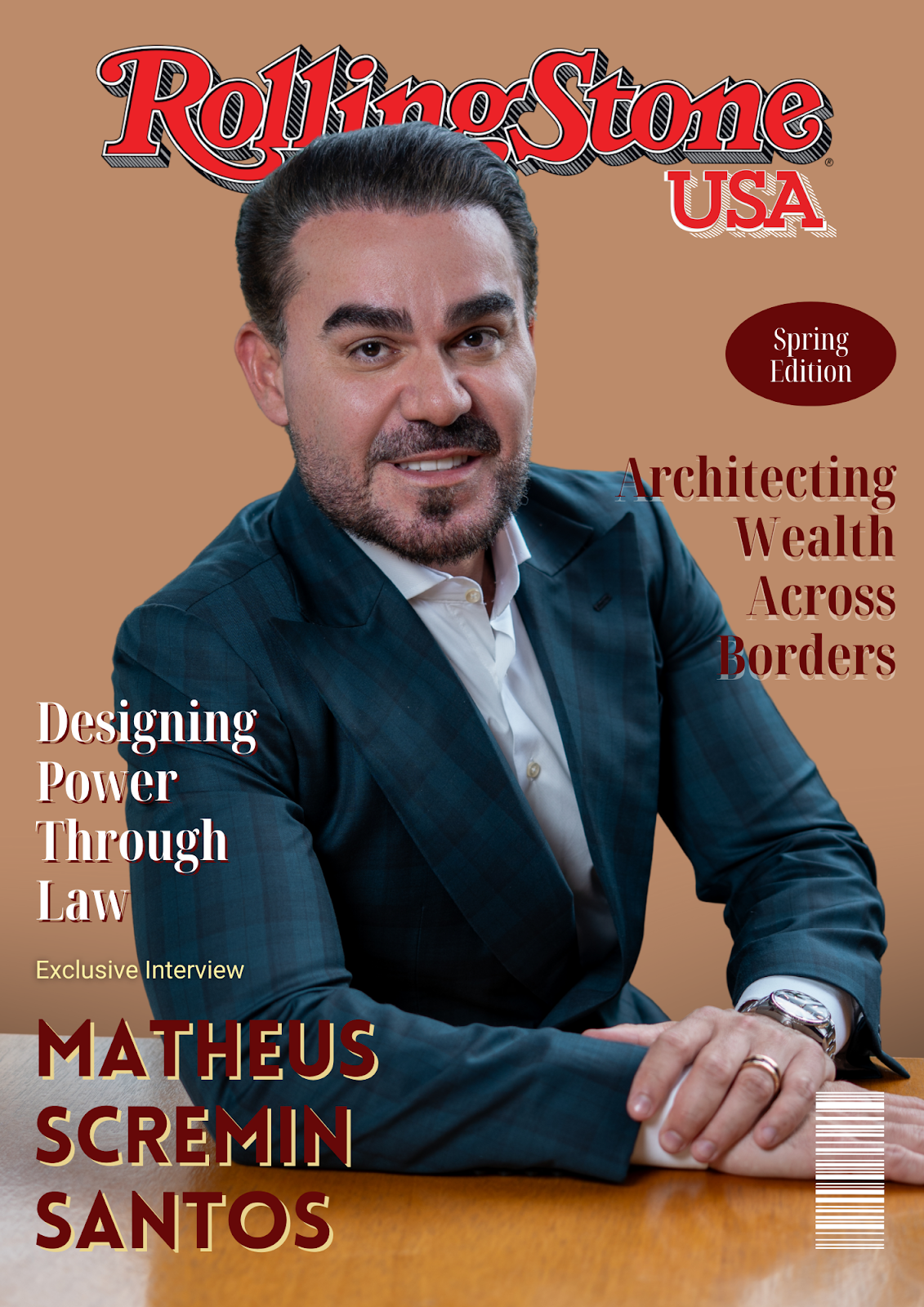
In an era where wealth, enterprise, and opportunity transcend borders, the definition of what it means to be a lawyer is rapidly evolving. Today’s most influential legal minds are no longer confined to courtrooms or narrow specializations. They are architects of systems, designers of protection, and strategists of long-term prosperity.
Few embody this evolution as distinctly as Matheus Scremin Santos.
More than a legal professional, Matheus operates at the convergence of law, strategy, and global intelligence. His work is not centered on isolated legal tasks, but on the creation of intelligent structures—frameworks that safeguard assets, enable growth, and sustain value across generations. His career reflects a rare combination of technical precision, strategic foresight, and philosophical clarity about what true success means.
A Foundation Built in Business
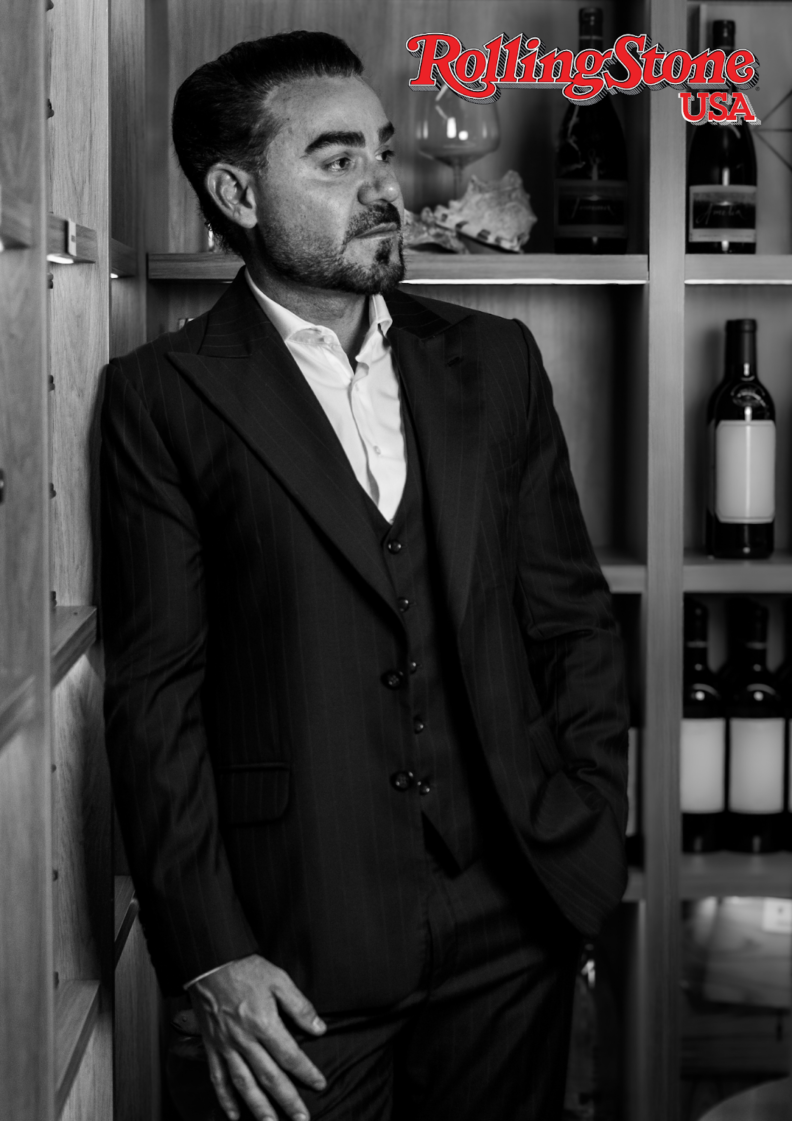
Matheus’s professional mindset was shaped long before he ever stepped into a law classroom. Raised in a family of merchants and entrepreneurs, he was exposed early to the realities of business life: negotiation, risk management, cash flow, and long-term decision-making.
This early immersion gave him a practical understanding of how value is created—and how easily it can be lost without proper structure.
Rather than viewing law as a purely academic pursuit, Matheus came to see it as a living instrument: a tool capable of either limiting potential or unlocking it. This perspective would later become central to his approach—treating law as infrastructure for growth rather than a reactive mechanism.
Entering the Legal World Early
In 2000, while still attending law school, Matheus began practicing law. Starting his professional journey at such an early stage allowed him to develop real-world fluency alongside academic training.
He pursued studies in both Law and History, a combination that shaped his intellectual depth. Law offered structure and technical discipline. History provided context—revealing how legal systems evolve, how power is organized, and how societies preserve order over time.
From the beginning, Matheus knew he did not want a conventional legal career. He did not aspire to spend decades confined to narrow legal routines. Instead, he envisioned a path where law would serve as the backbone of something larger: strategy, architecture, and long-term design.
The Birth of a Visionary Practice
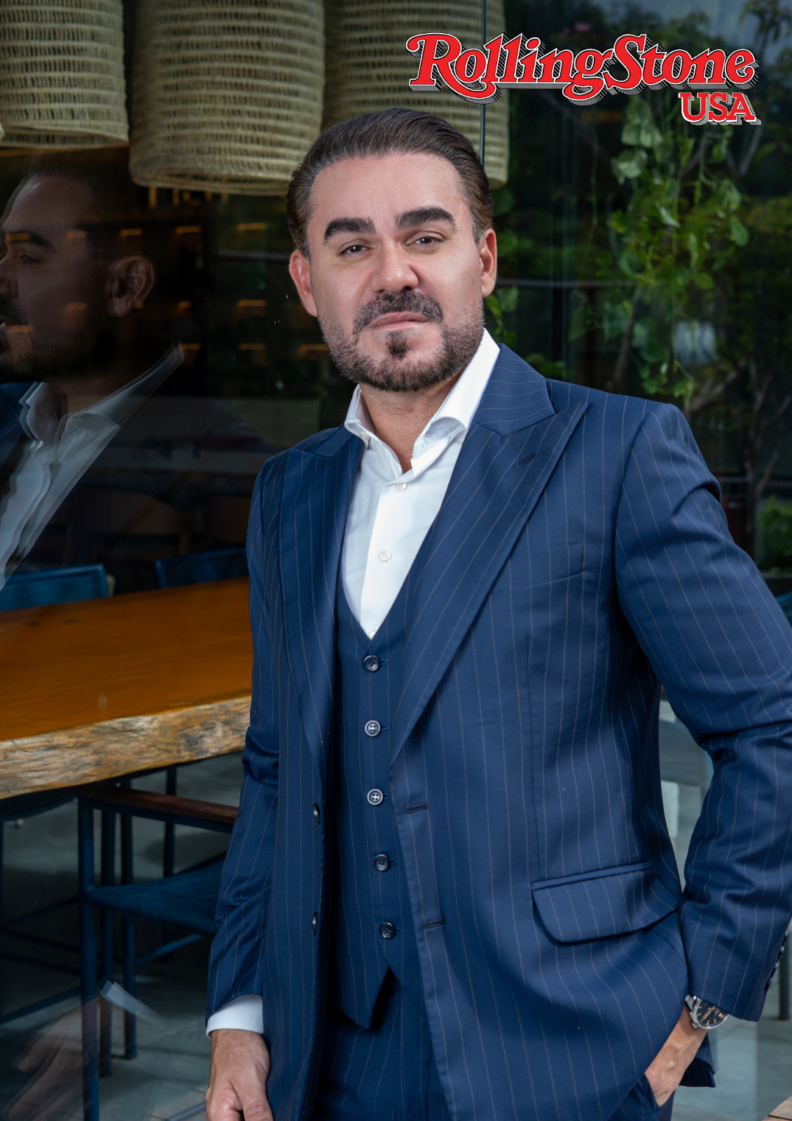
In 2006, Matheus founded his first law firm in Jaguaruna, Santa Catarina. This milestone marked the transition from practitioner to architect.
The firm was established with a fundamentally different philosophy. Rather than focusing exclusively on solving immediate legal problems, Matheus positioned his practice as a strategic partner for clients. Each engagement was approached with a broader lens:
- How does this decision affect long-term security?
- How does it impact growth potential?
- How can risk be reduced through structure rather than reaction?
Clients quickly recognized that Matheus was not simply offering legal services—he was designing systems.
Bridging Law and Global Strategy
As his experience expanded, Matheus identified a critical gap in the professional landscape: traditional legal practice rarely integrates seamlessly with global strategic advisory.
Many professionals operate within silos—corporate law, tax, estate planning, compliance, or investments. While each specialty has value, fragmented advice often leads to fragmented outcomes.
Matheus set out to bridge this divide.
He developed a model that integrates:
- International legal structuring
- Asset protection strategies
- Wealth and succession planning
- Investment structuring
- Cross-border compliance
These elements are not treated as separate services, but as interconnected components of a single ecosystem.
The result is a holistic framework designed to support clients who operate internationally and think generationally.
The Systems Architect Philosophy
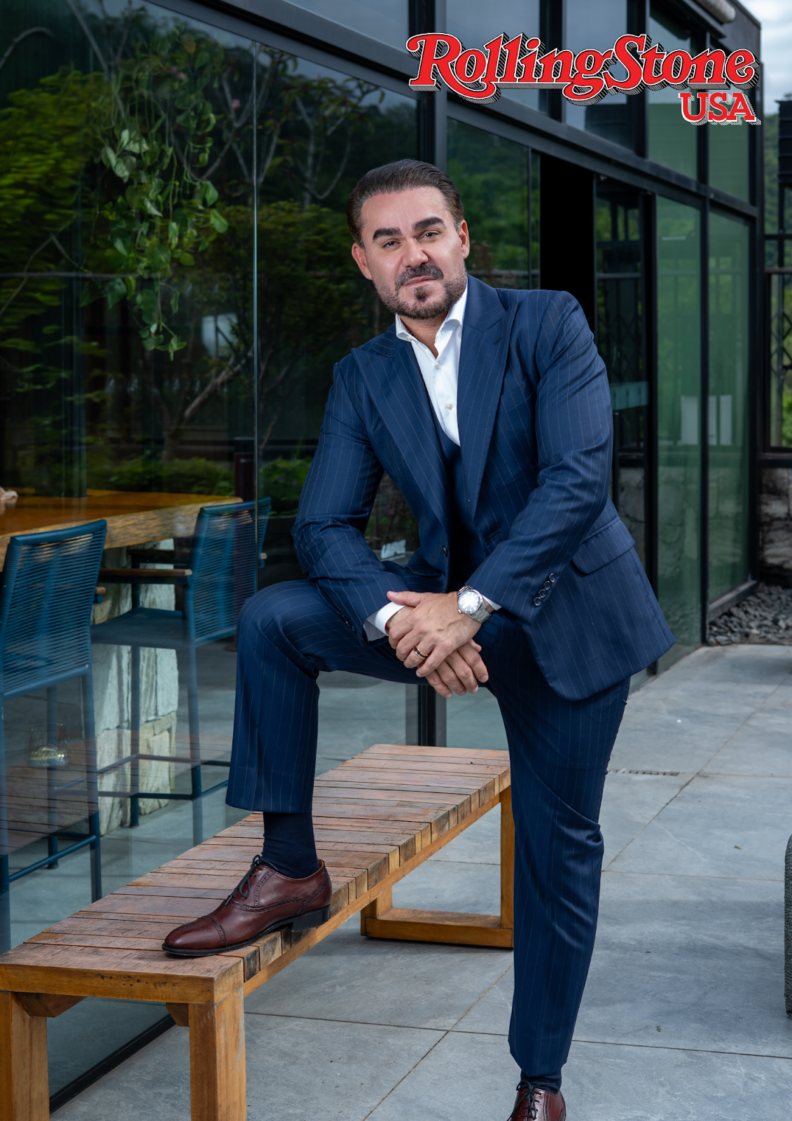
Matheus describes himself not simply as a lawyer, but as a systems architect.
This distinction is central to understanding his work.
A systems architect designs environments in which multiple components function in harmony. In Matheus’s world, those components include legal entities, governance structures, jurisdictions, contracts, and investment vehicles.
His role is to ensure that:
- Structures are resilient
- Risk is anticipated, not merely managed
- Growth is intentional
- Succession is orderly
- Control is preserved
Rather than reacting to crises, his systems are designed to prevent them.
Intentional Project Selection
Discipline plays a defining role in Matheus’s professional life. He does not pursue every opportunity that comes his way.
Each potential project is evaluated through four criteria:
- Purpose – Alignment with his personal and professional values
- Impact – Capacity to generate meaningful, long-term value
- Strategic Synergy – Contribution to his broader ecosystem
- Sustainable Growth Potential – Ability to endure and evolve
This selective approach ensures that his work remains coherent, scalable, and aligned with his long-term vision.
What Truly Motivates Him
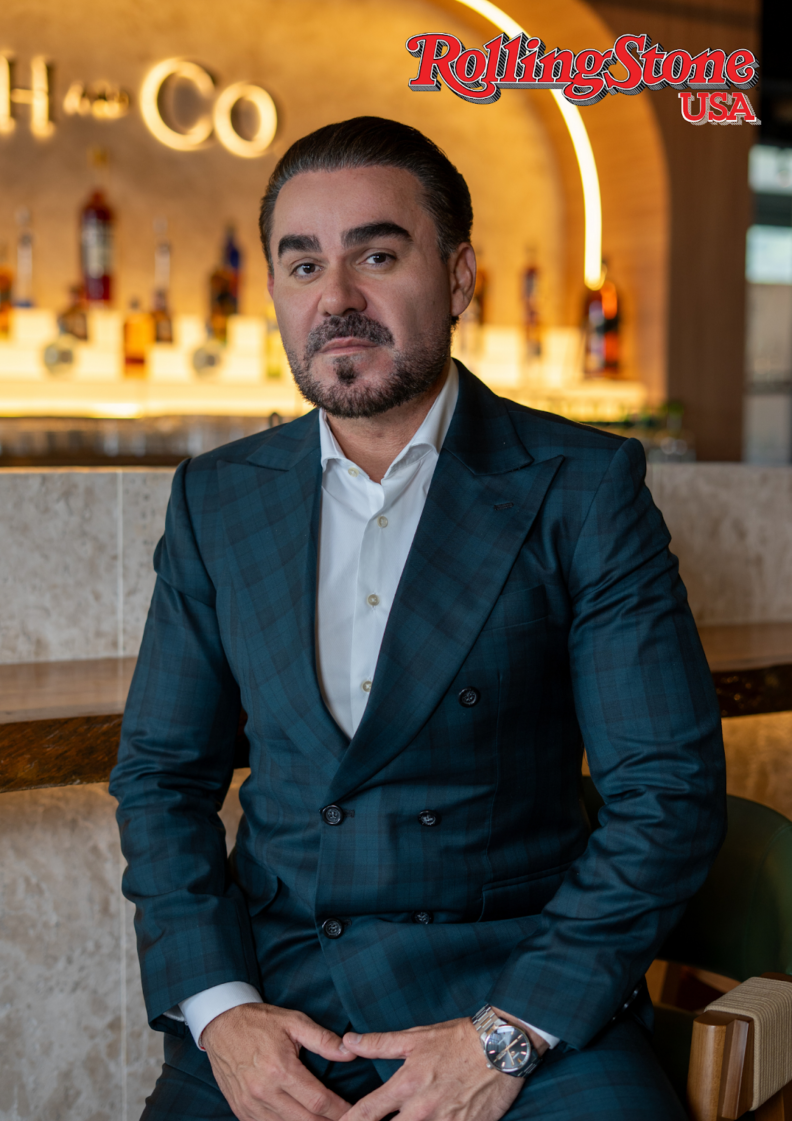
Matheus is motivated by creation—not in the artistic sense alone, but in the architectural sense.
He finds purpose in building structures that provide:
- Security for families
- Clarity for entrepreneurs
- Freedom for investors
Knowing that clients can operate across borders with confidence, protected by intelligent design, is what fuels his work.
His motivation is not transactional. It is structural.
Redefining Success
For Matheus, success is not defined by titles, revenue, or public recognition.
Success, to him, means freedom.
Freedom to remain aligned with his values.
Freedom to live well.
Freedom to design his own path.
Freedom to help others prosper.
In this philosophy, wealth is a tool, not a destination. Influence is a responsibility, not a trophy.
A Defining Milestone
Among his most meaningful achievements is the consolidation of a multinational legal and business ecosystem capable of serving clients across multiple jurisdictions in an integrated manner.
This ecosystem unites professionals, structures, and platforms under a single strategic vision. It allows clients to receive coordinated solutions rather than fragmented advice—one architecture instead of many disconnected parts.
It is a tangible expression of Matheus’s belief that the future belongs to integrated systems.
The Road Ahead
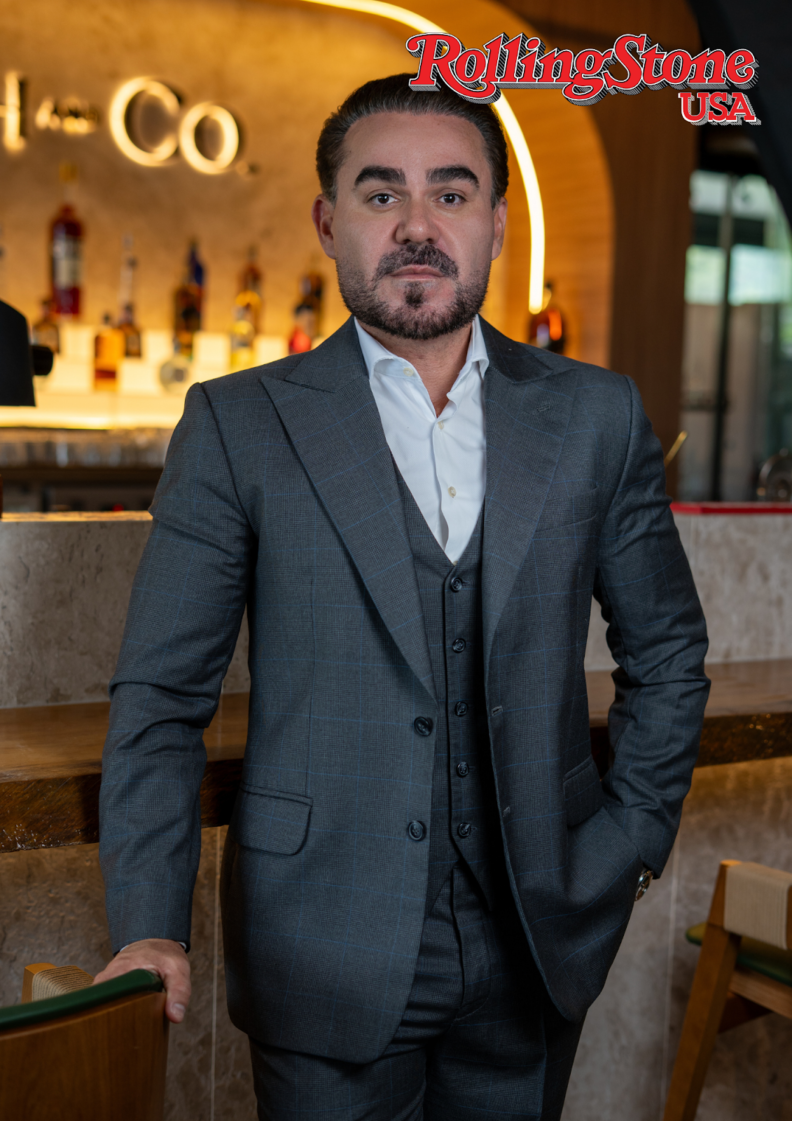
Looking forward, Matheus’s focus remains on expansion with intention.
His future initiatives include:
- Expanding international operations
- Strengthening global partnerships
- Developing integrated platforms that unify business management, investments, and asset structuring
Each project is another layer added to an ever-growing architectural framework.
A Legacy in Construction
Matheus Scremin dos Santos represents a new archetype of legal leadership.
Not a technician.
Not a bureaucrat.
But an architect of freedom.
His work demonstrates that law, when elevated beyond tradition, becomes a powerful instrument for shaping destiny.
And in a world increasingly defined by complexity, those who can design clarity will always lead.